
Spark plug change gen4 Jimny
Needing to change your spark plugs on your gen4 Jimny? It’s really, really easy but worth going into some details on it.
- Interval
- What plugs?
- Plug specifications and what I run
- Procedure
Interval
Officially, the service interval depends on what spark plugs you are using:
- Nickel tipped plugs: 45,000 km / 3 years
- Iridium tipped plugs: 105,000 km / 7 years
There is an added twist to that: every 3 years you are meant to check the valve clearances on the Jimny. In doing this check you need to pull the coil packs off in order to remove the valve cover. In addition, the engine is a lot easier to turn over to check the valve clearances if the spark plugs are out.
So, ultimately, you have the plugs out every 3 years so changing them every 3 years seems sensible. (One argument could be that valve clearance mostly depends on km, so, if it takes you longer to do 45,000 km you’d wait anyway. However, valves recessing mostly is a function of how hard you rag on the engine, so something used offroad hard at high revs/high engine loads would need it done more often)
What plugs?
This, then, is a neat segue into understanding what spark plugs to put in.
Suzuki recommend two options:
- NGK KR6A-10 (1.0 mm gap)
Nickel tipped spark plugs, bought as OEM part 09482-00618
I can buy these as cheap as $7.50 a plug individually, though their retail through NGK channels is about $12-$14.
They come as part of the Suzuki Australia capped price service kit along with a valve cover etc which is often the easiest way to get everything to do a valve clearance service anyway. - Denso ZXU20PR11 (1.1 mm gap)
These are iridium tipped plugs, Suzuki part number 09482-00602
These are a lot more expensive than the NGKs.
Just to clarify, since people seem to get this wrong: the factory plugs are not standard copper tipped plugs. They are a special tipped plug so they will have greater longevity than copper tipped plugs.
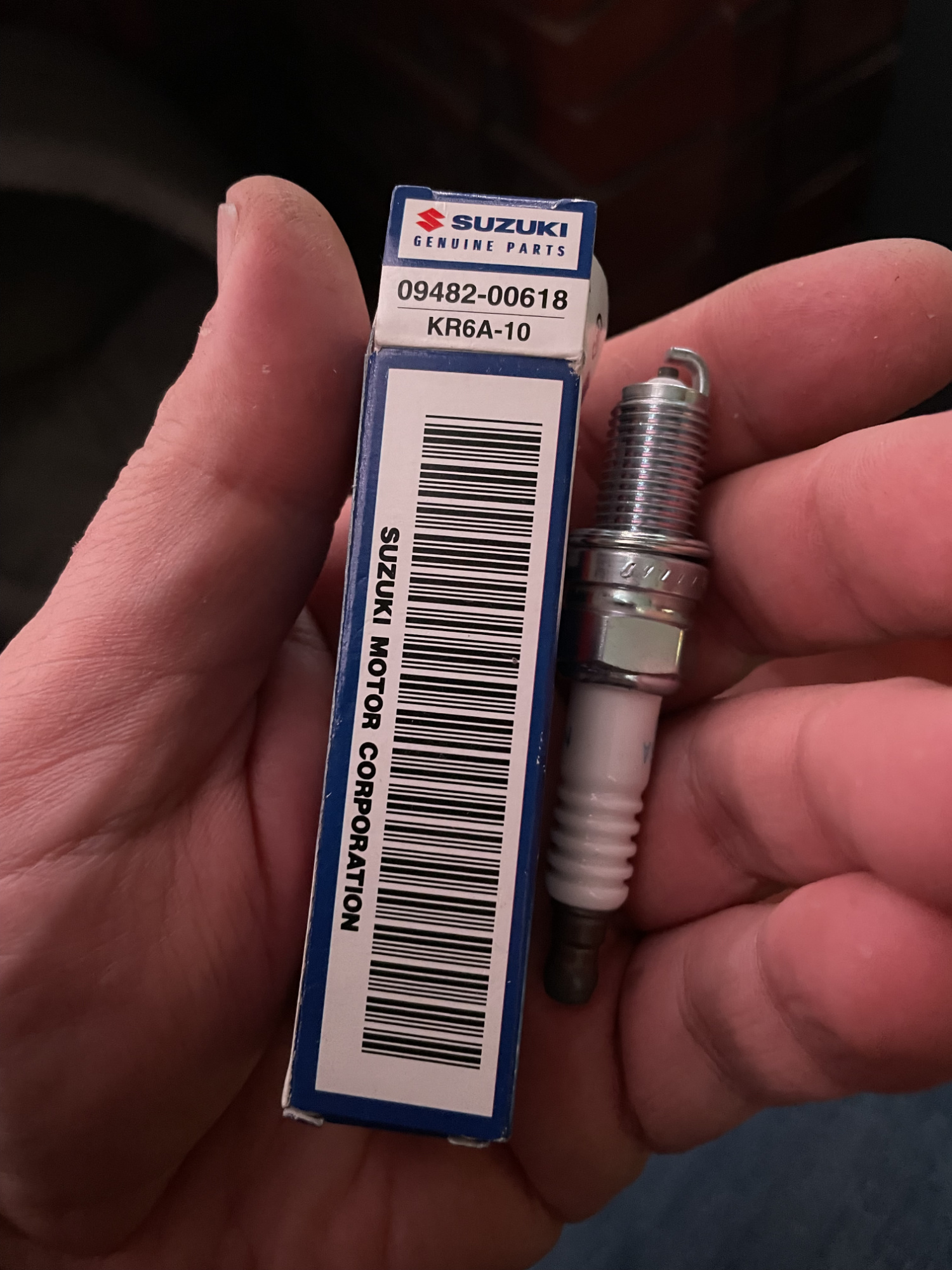
In Australia, the affordable iridium option if you want to swap are NGK IKR6G11. These match the thread, thread pitch and reach of the factory plugs and come supplied with the same 1.1 mm gap that the Denso iridiums run.
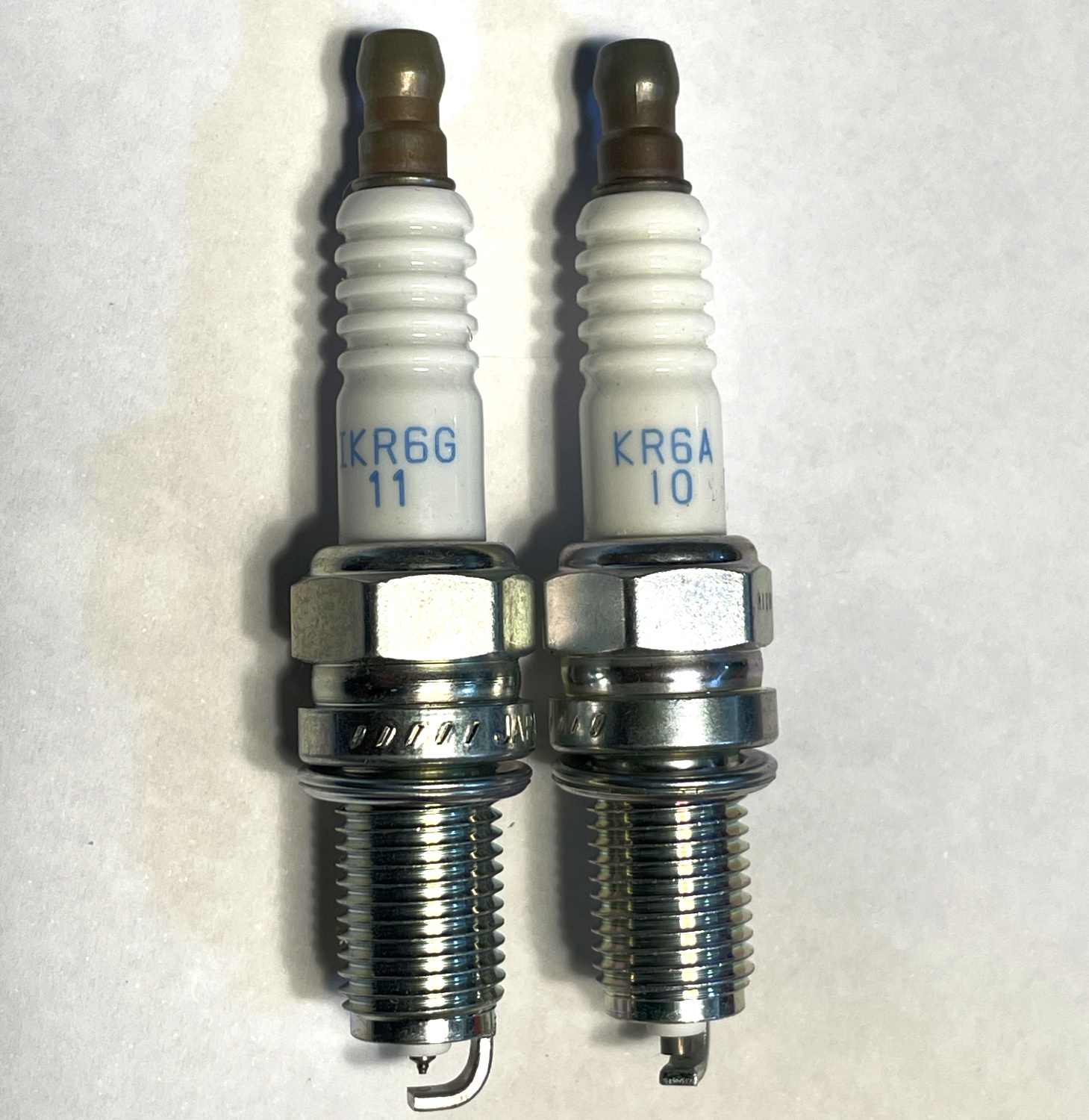
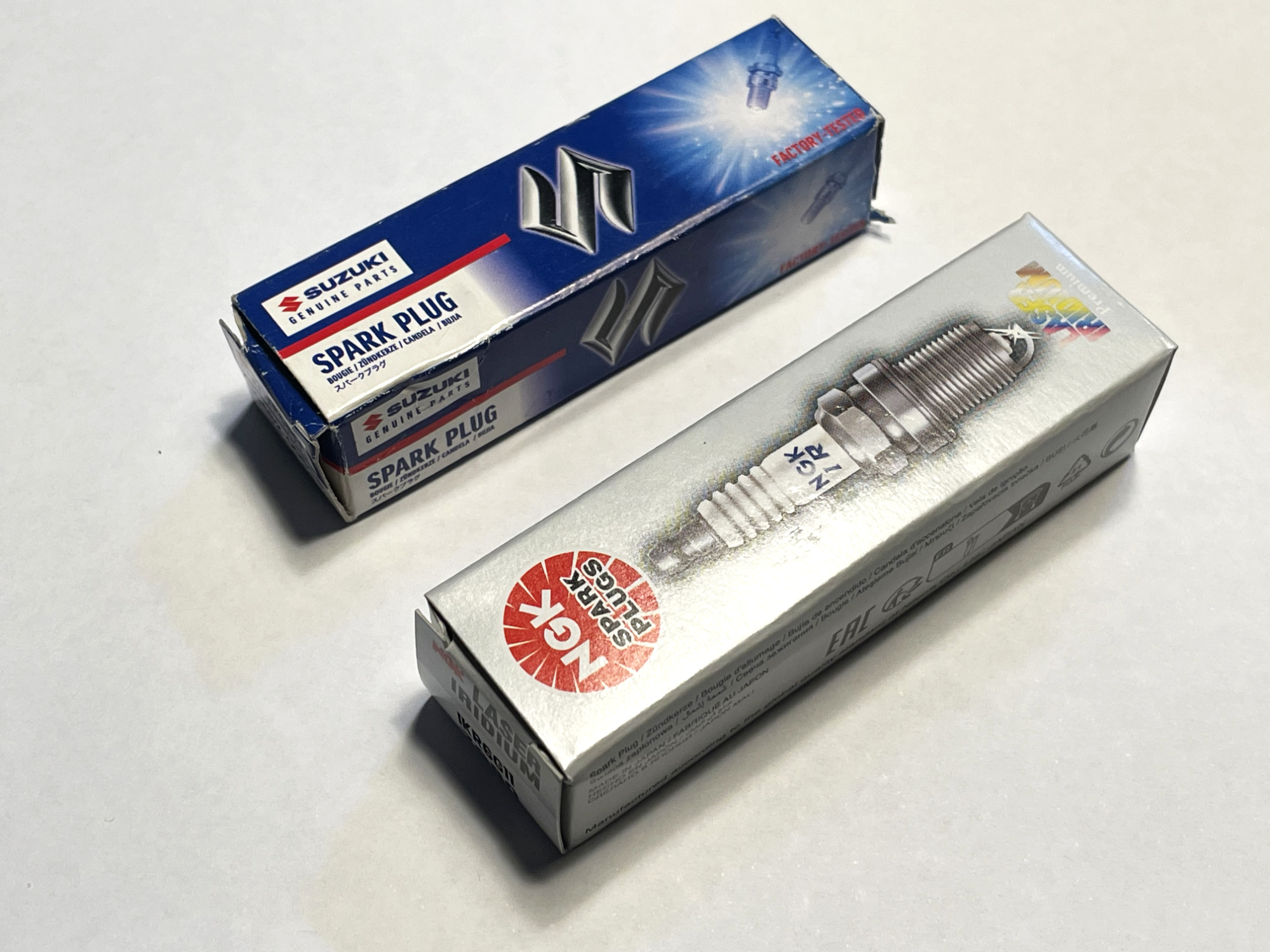
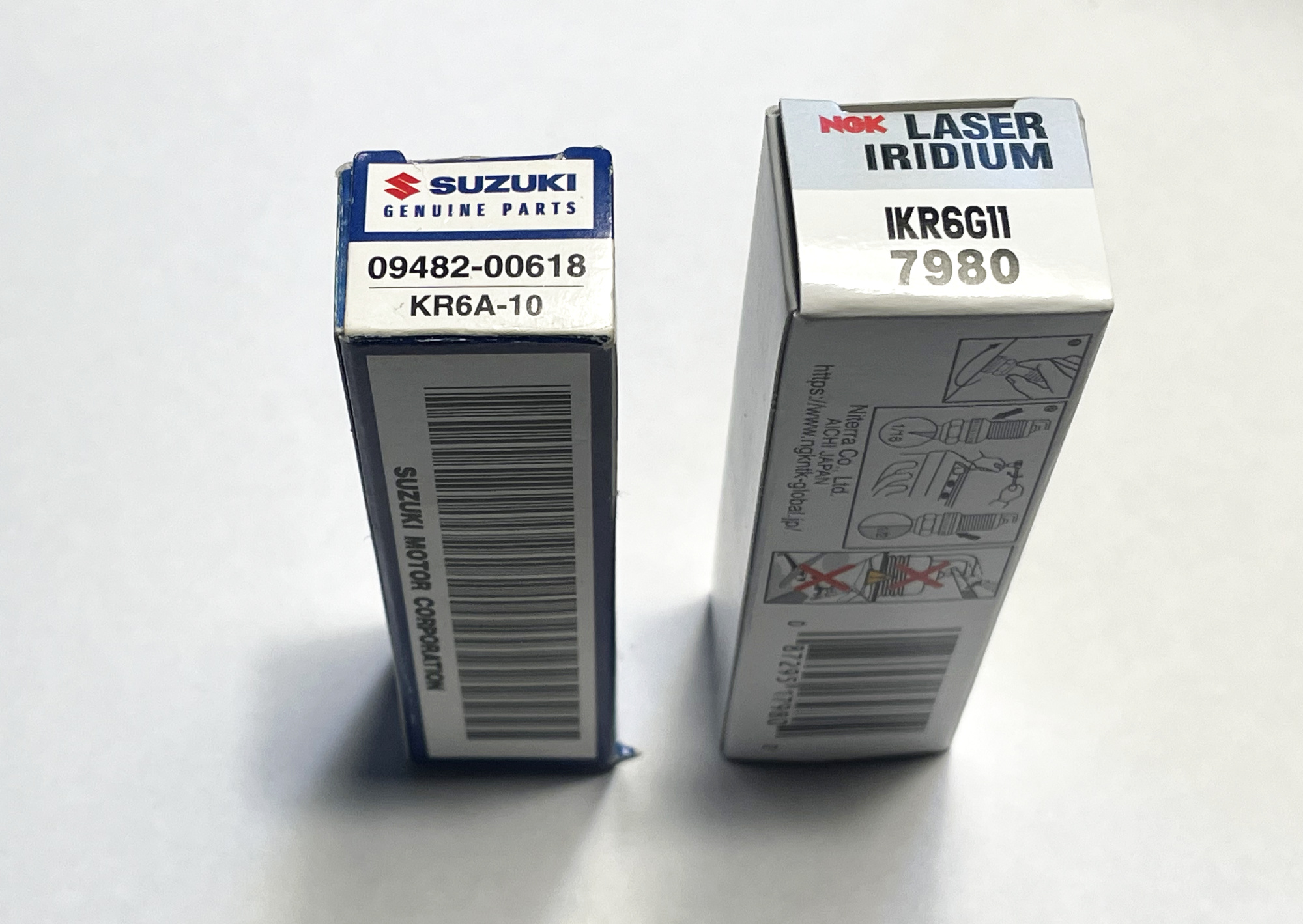
It is important to note that there are a lot of counterfeit sellers for spark plugs, especially NGK branded plugs. Only buy from highly reputable sources, and avoid places like Amazon who comingle parts so even ‘genuine’ sellers could end up with counterfeit inventory.
Plug specifications and what I run
In terms of specifications of the spark plugs, translating the NGK codes we can see what the plug is:
- K: 12 mm thread, 19 mm reach, 16 mm hex
- R: resistor type plug
- 6: heat range
- A: special tip (nickel)
- -10: Supplied as 1.0 mm gap
You do not want to get the spark plug reach wrong. In that example from Reddit, an extra 7.5 mm of reach = spark plug contacts piston = bad things happen.
At the moment, I have the factory OEM plugs and I have run them for a reasonable amount of time, though I am currently running the NGK iridiums.
Even with the iridium plugs I replace them whenever the valve clearance check is done. I keep the old ones in a box where I mark when they went in and when they were taken out, but, while I’m in there it’s < $50 to put in fresh iridiums or the factory nickel plugs.
Procedure
I’ll illustrate with just doing one plug, but typically you are going to be doing all 4 and removing all 4 coils at the point at which you do this.
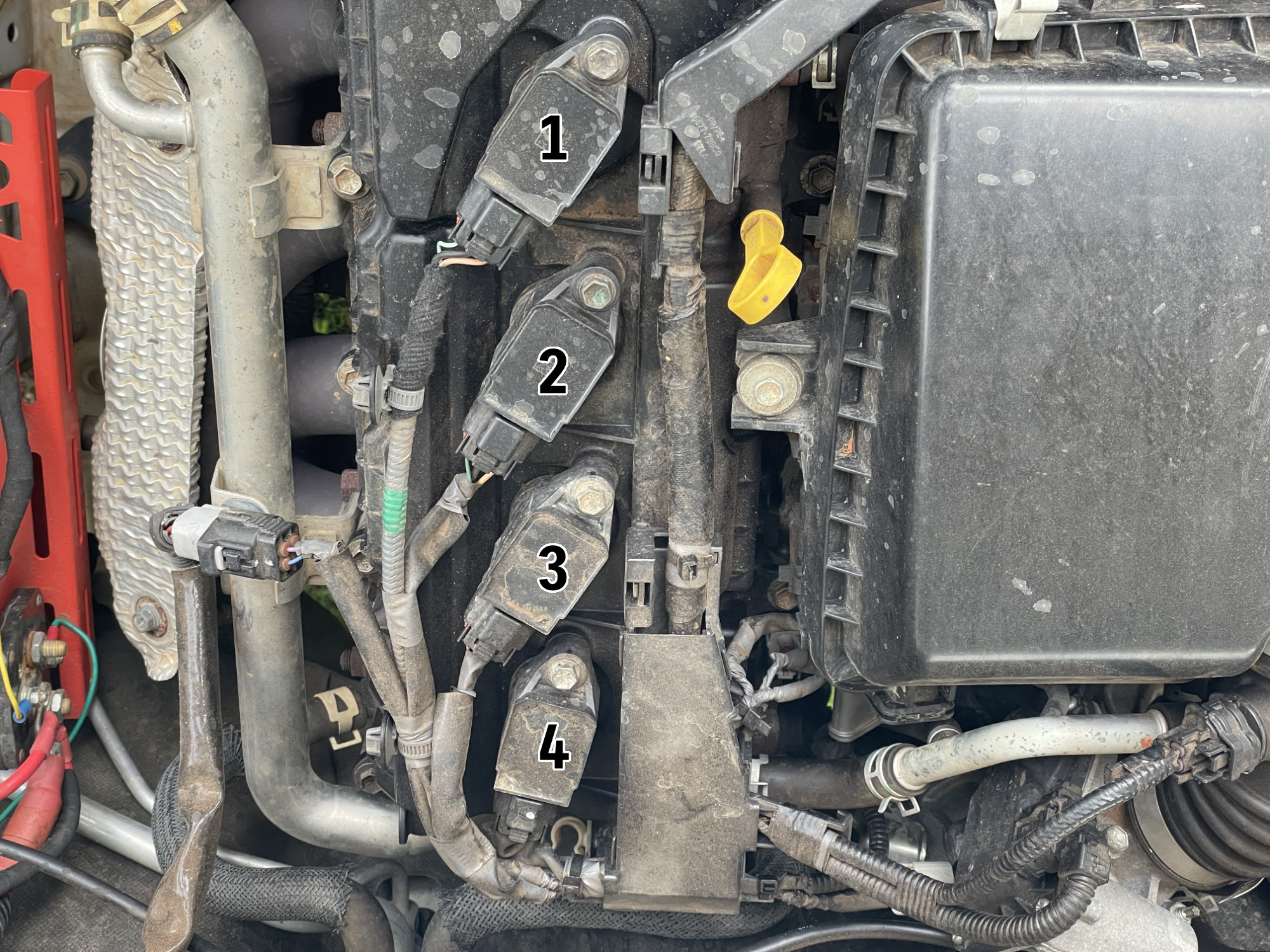
These are the coils; they number 1 through 4 starting at the front of the car as cylinder #1
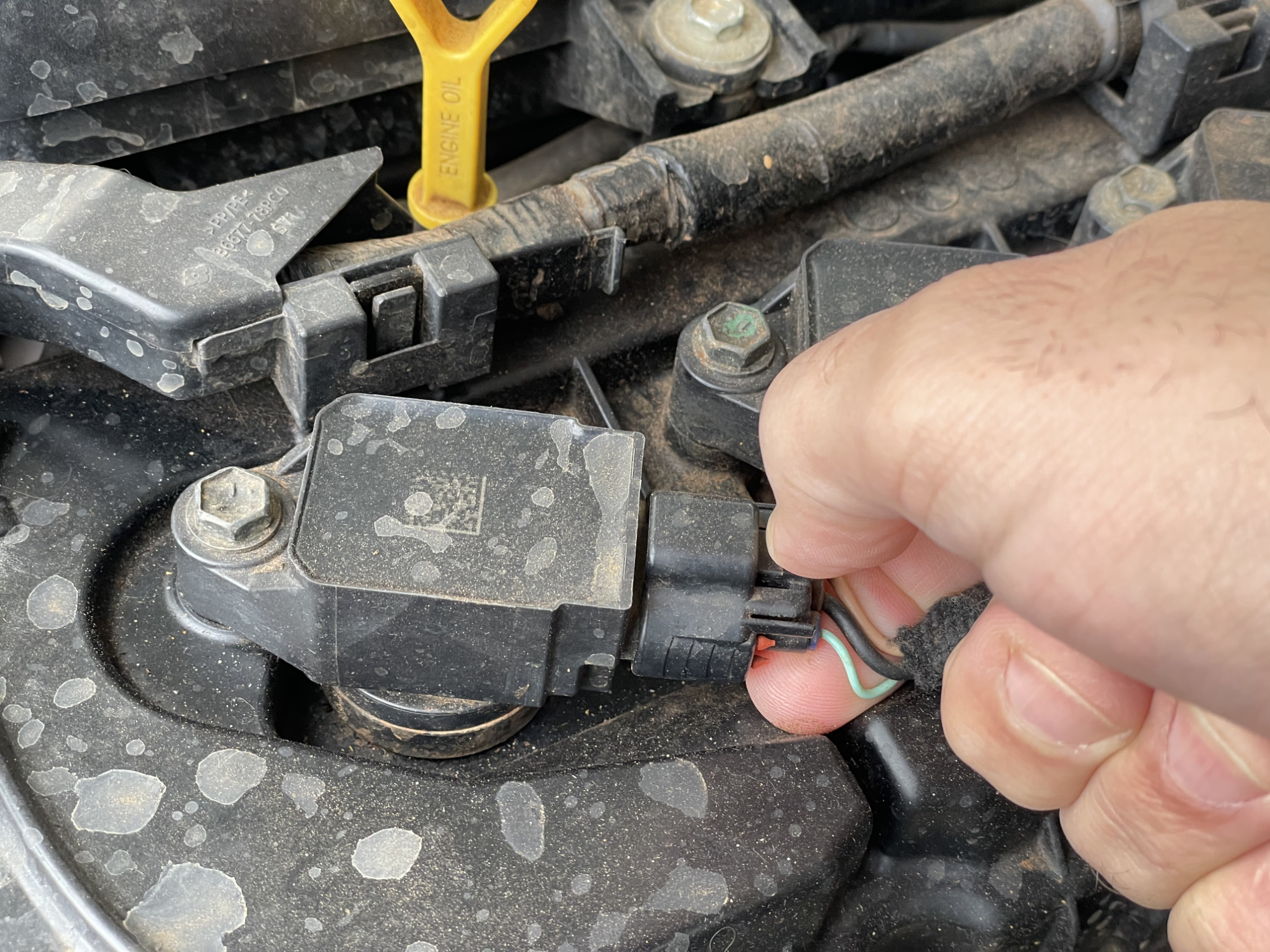
Disconnect the wire connector at the coil
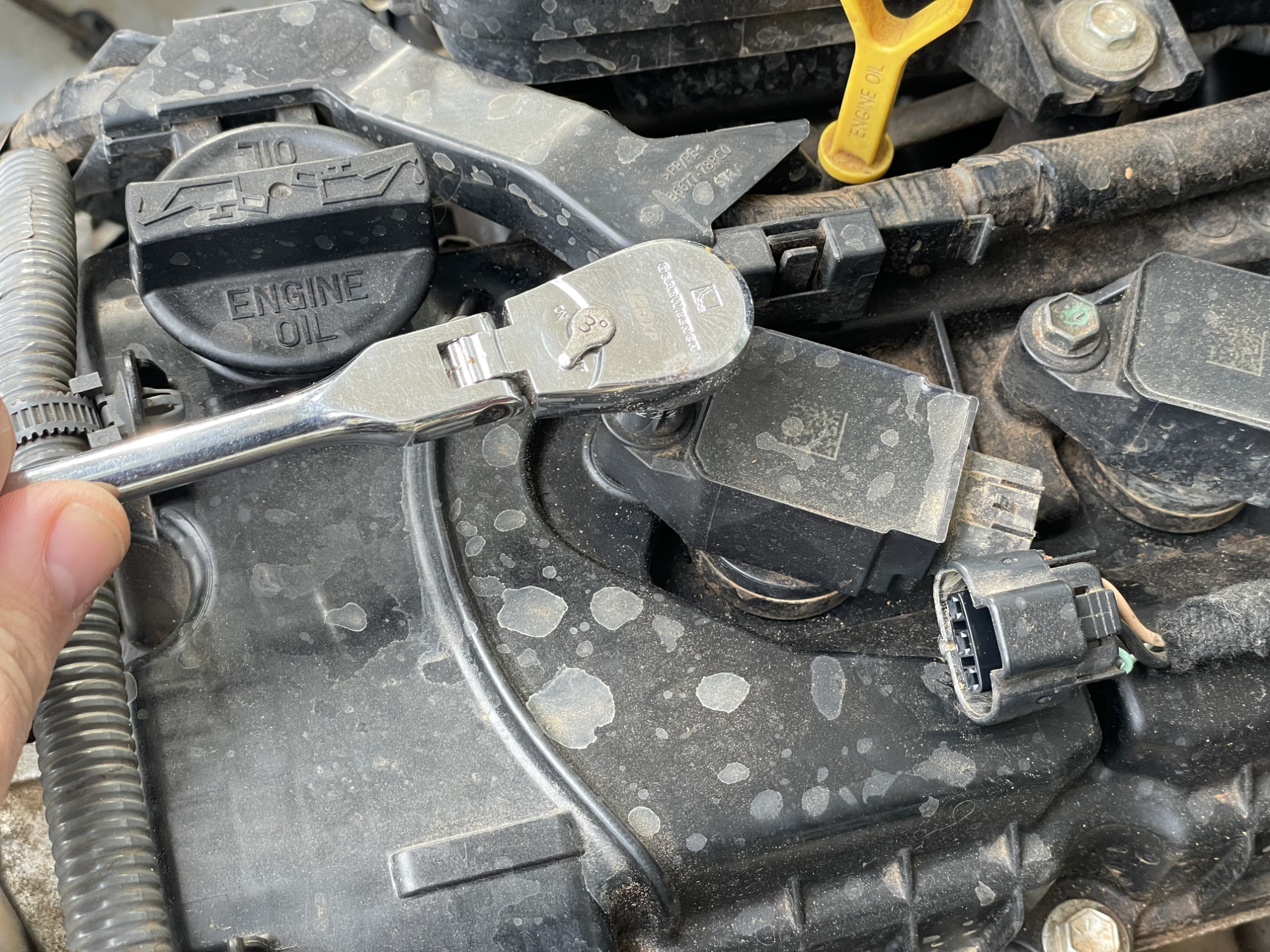
Undo the coil bolt
Pull the coil off the spark plug. It should be relatively straightforwards although if they’re left for a long time they can get a little stuck onto the valve cover and spark plug insulator
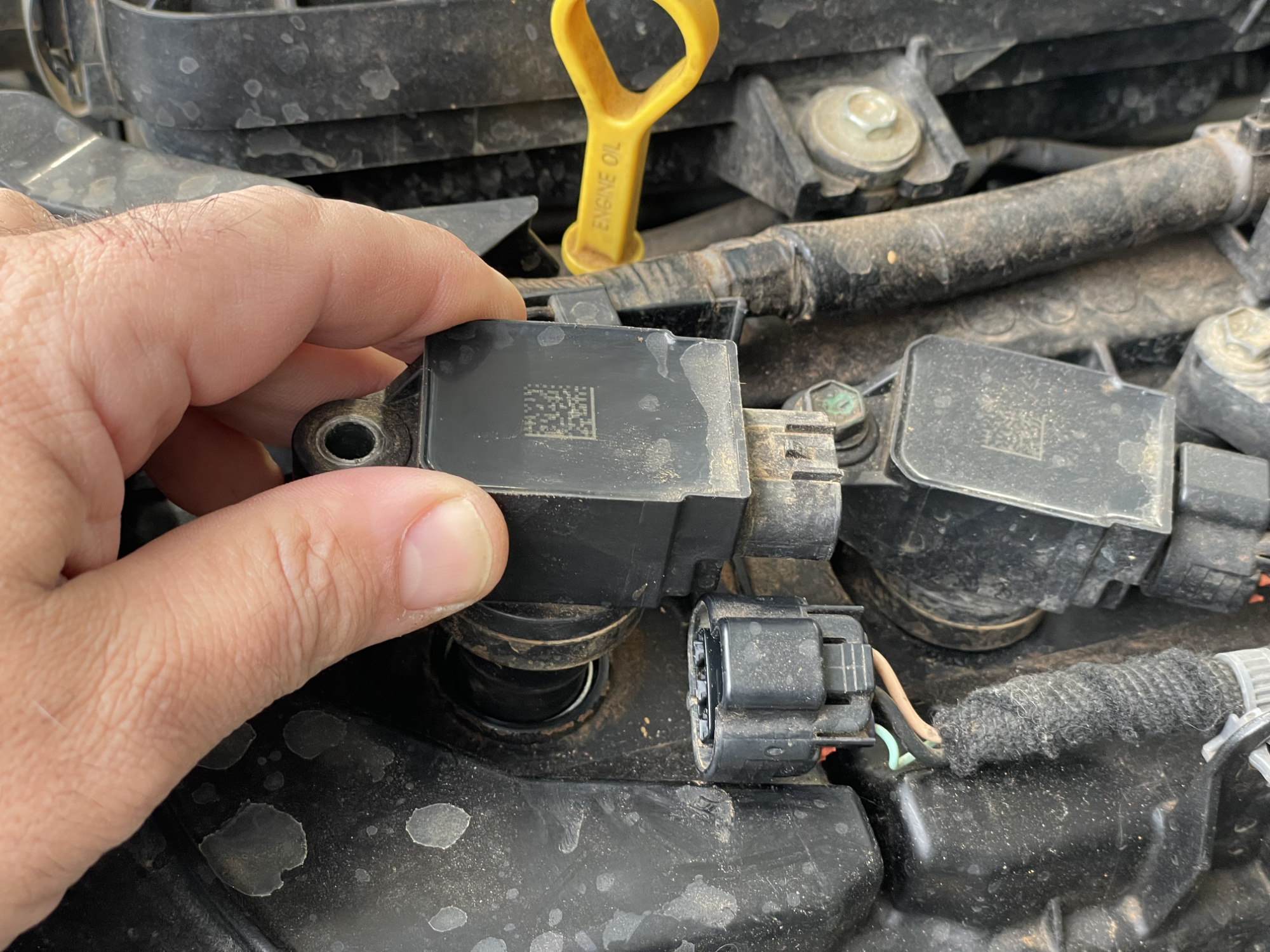
Good time to clean around the spark plug hole, making sure you don’t put any dirt down the spark plug hole
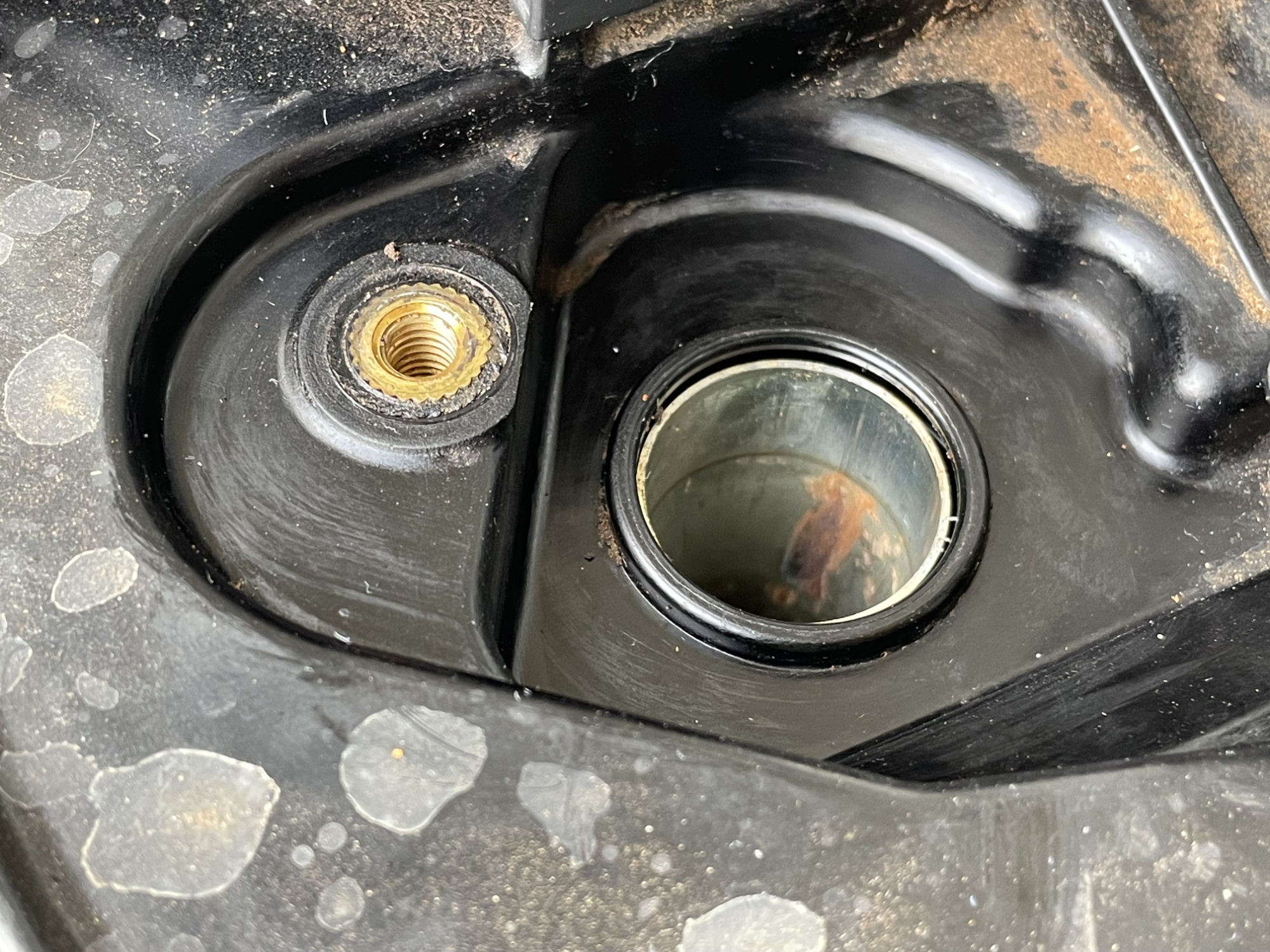
Using a 16 mm spark plug socket, undo the spark plug
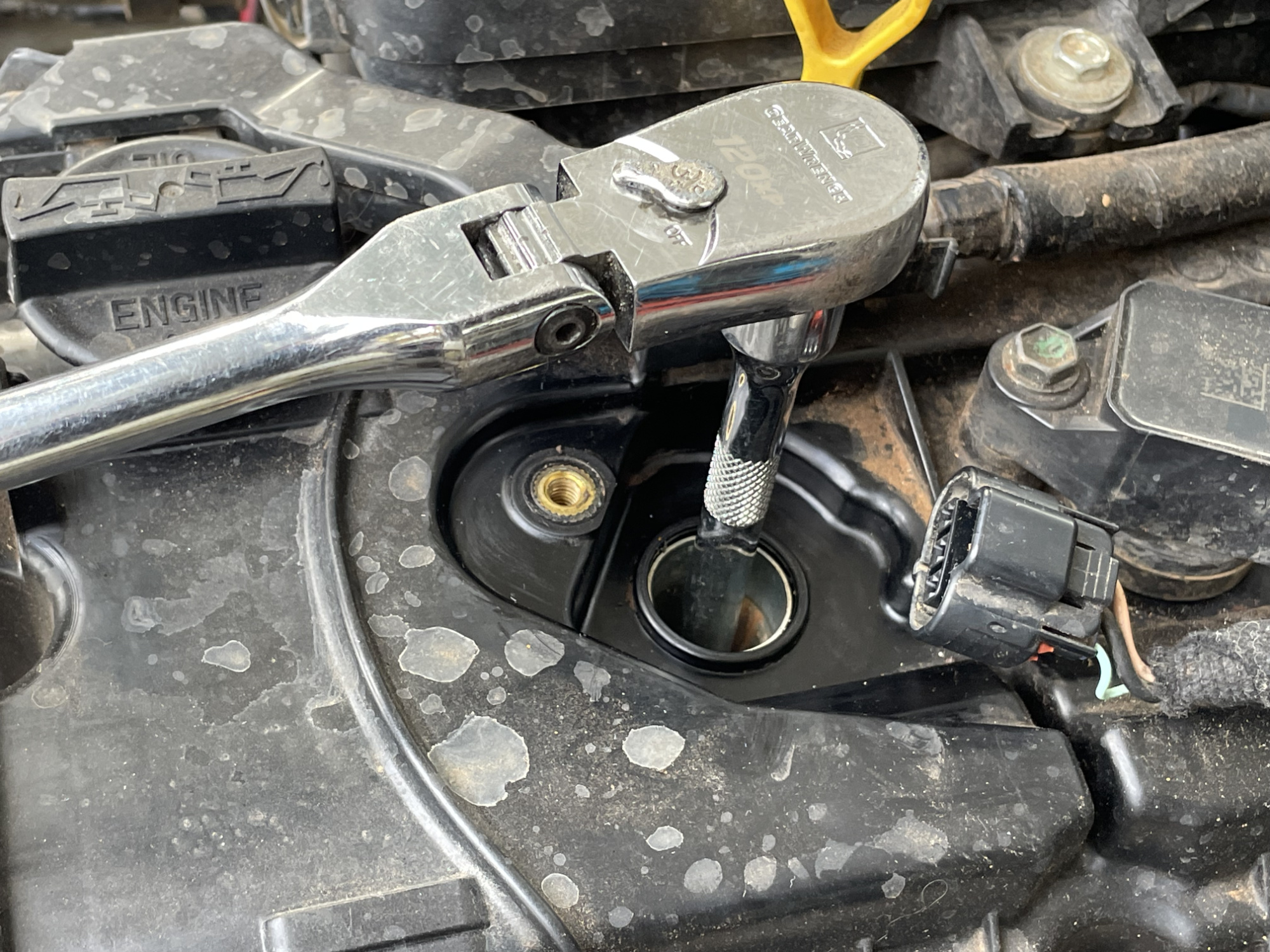
I use a piece of hose poked over the insulator to get the plug out once it’s fully undone
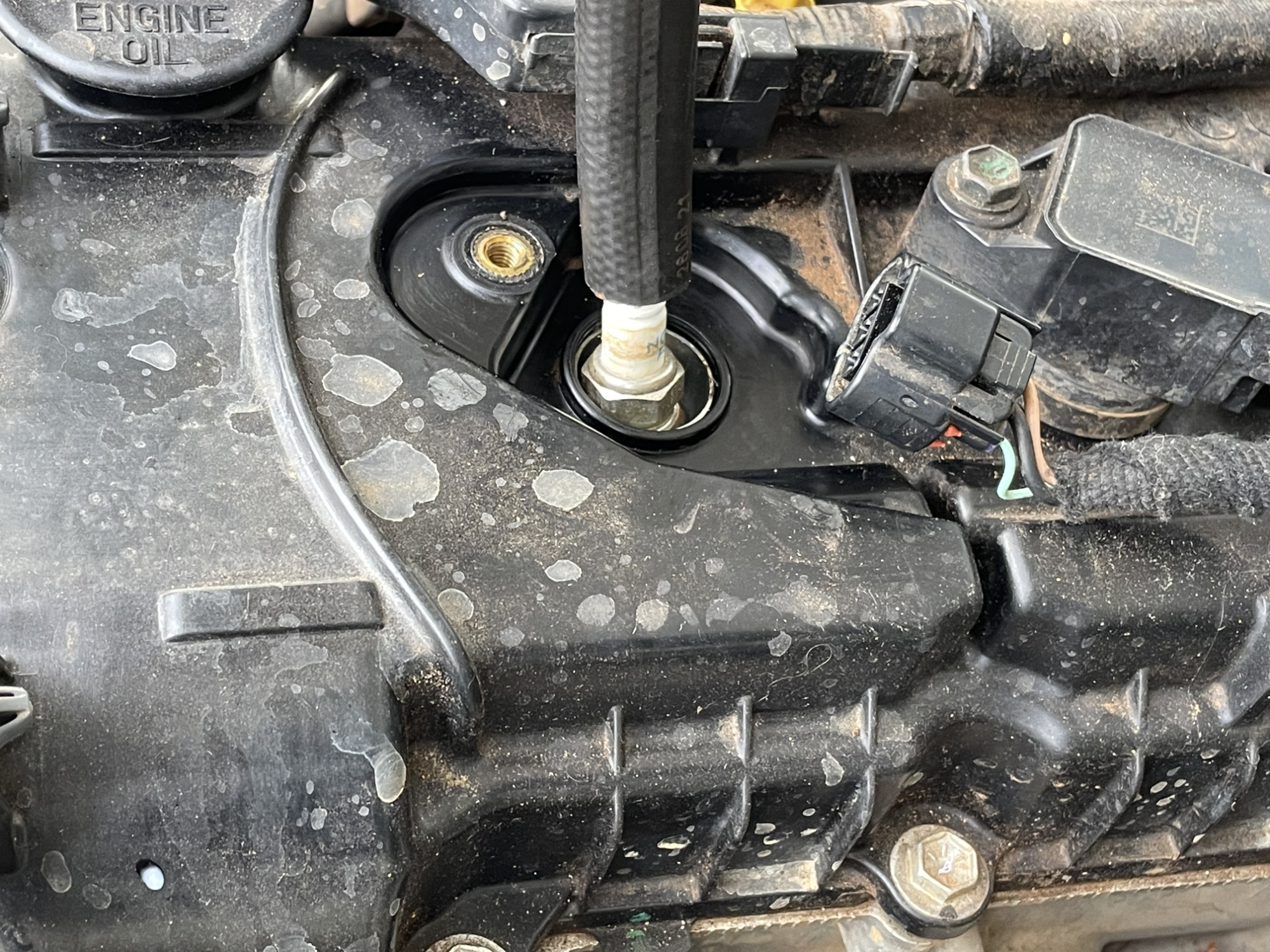
People at this point are going to tell me to use spark plug sockets with rubber inside; I don’t because I have found that on some vehicles this can end up breaking the insulator as you remove the plug which is not fun. It also encourages you to use a ratchet to do up spark plugs, running the risk of cross threading them.
You can now compare an old and a new spark plug
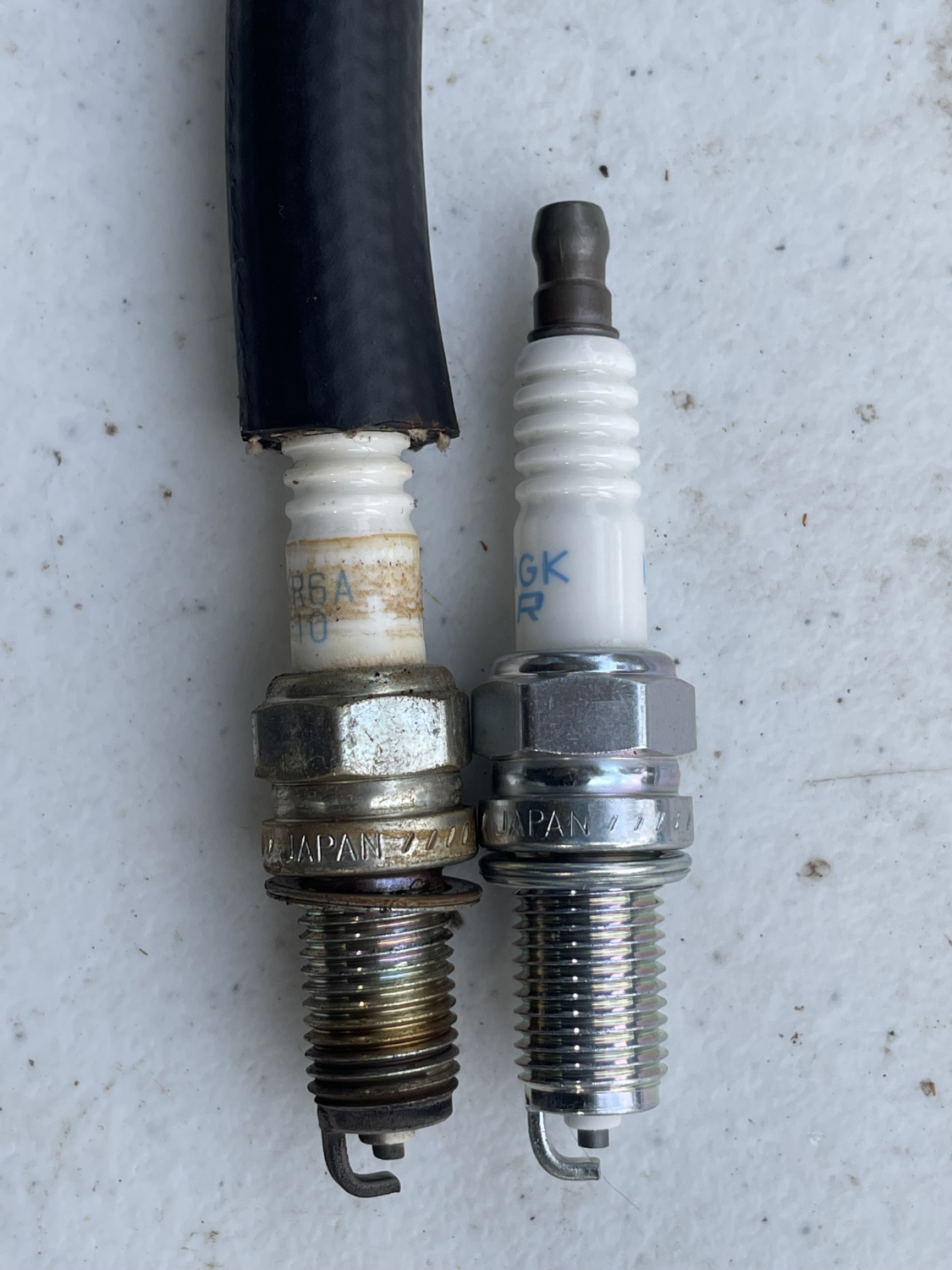
My old ones weren’t bad, but it was time for a change
Installation isn’t hard. Again I use some hose on the spark plug which gives me enough reach into the spark plug recess in the cylinder head and allows me to thread it in finger tight but without enough grip that there is a risk of cross threading it
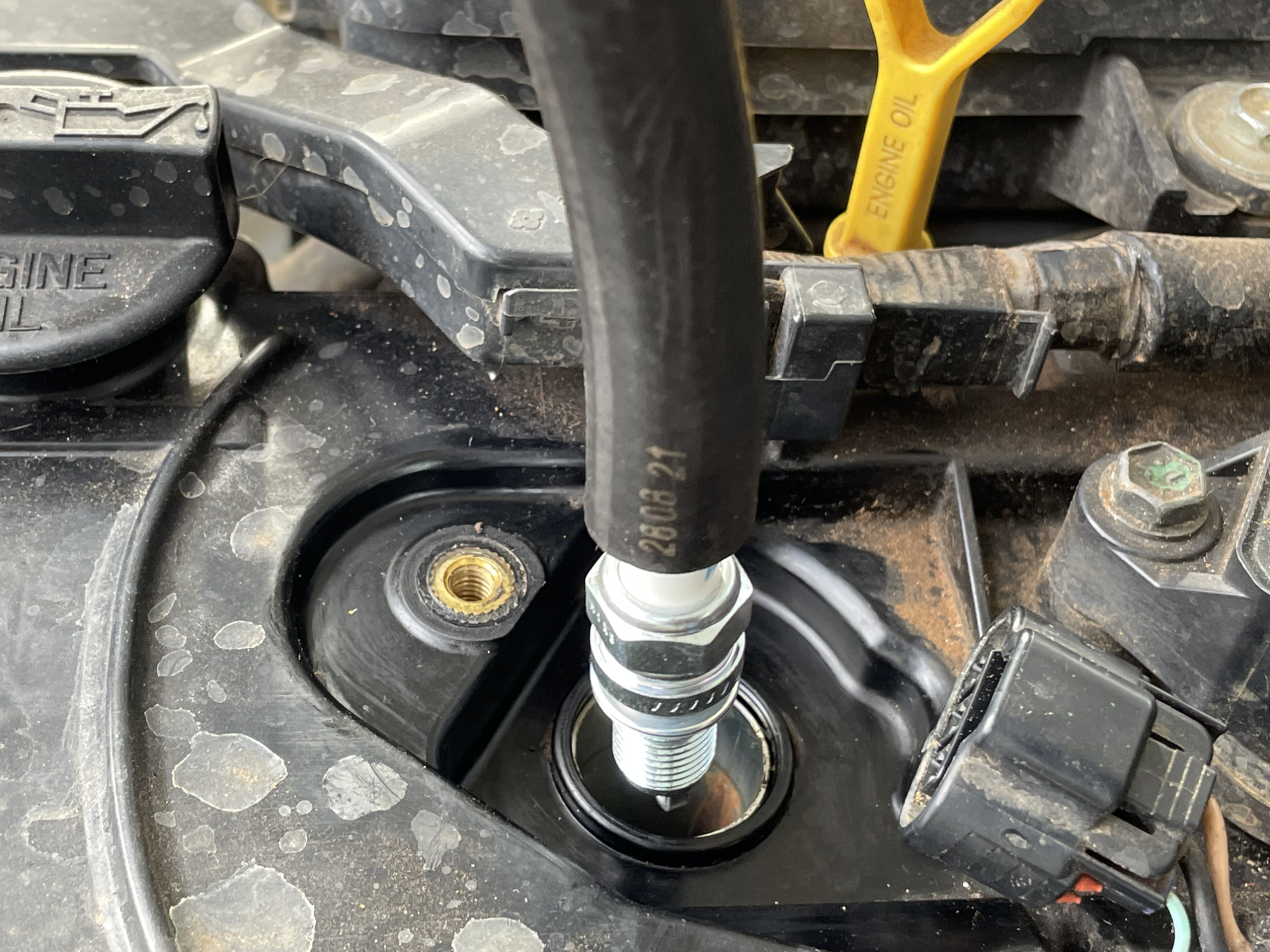
People will argue about using antiseize on the plug threads. I always have done it and it does make getting the plug out easier, but you do need to be careful to not get it on the insulator & use a compatible antiseize. For aluminum heads like the Jimny it is important to only use a nickel based antiseize, not copper
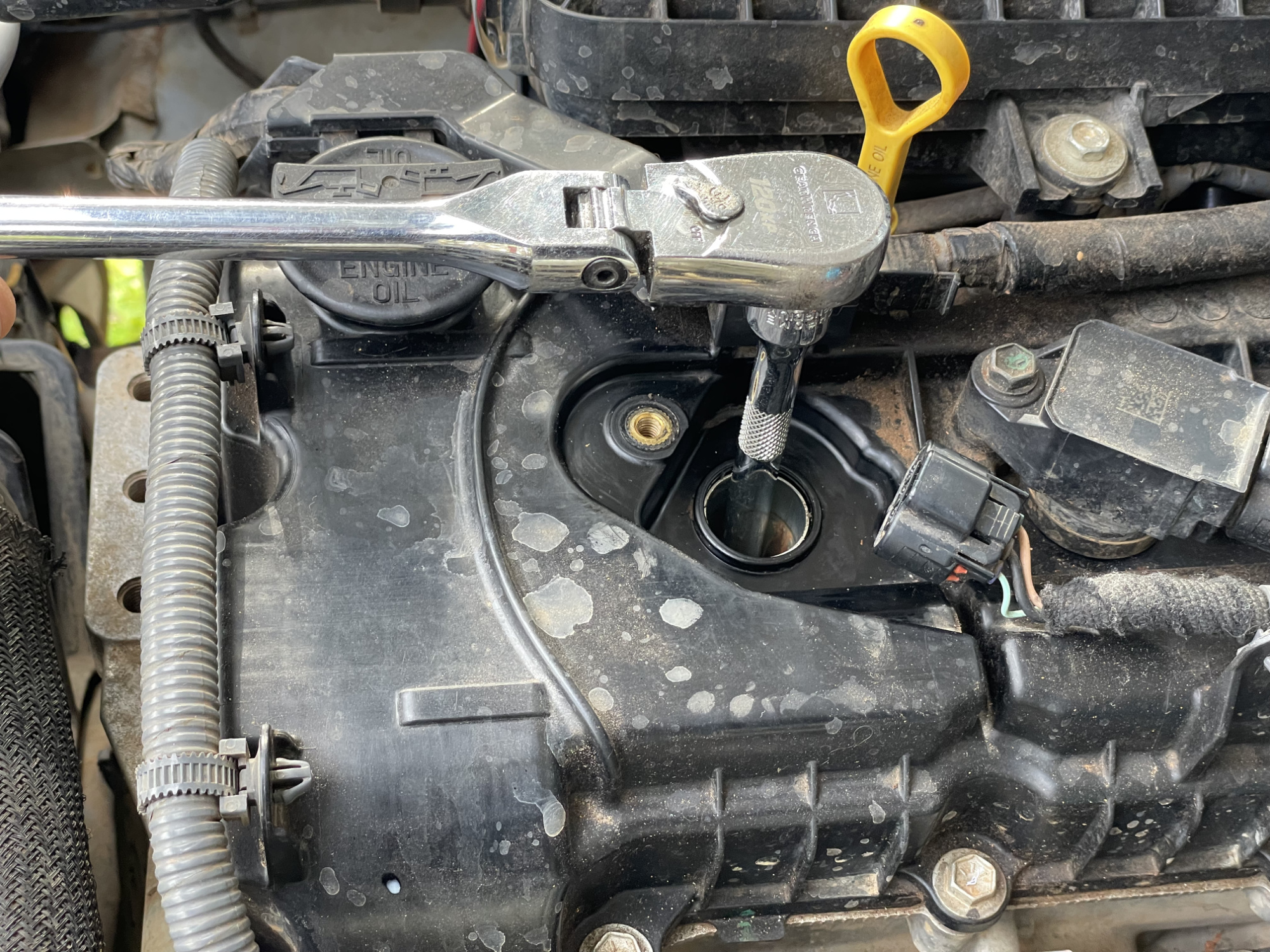
Plug is screwed in finger tight using the hose method, then run down the plug by hand with a socket and extension, no ratchet involved or torque wrench yet.
Once it’s fully seated finger tight then you either torque it to 18 Nm (Suzuki’s specification) or 1/2 turn (NGK specification). Note that it’s 1/2 of a turn only for a new plug: reusing a plug it should be much less as the gasket will already have been compressed.
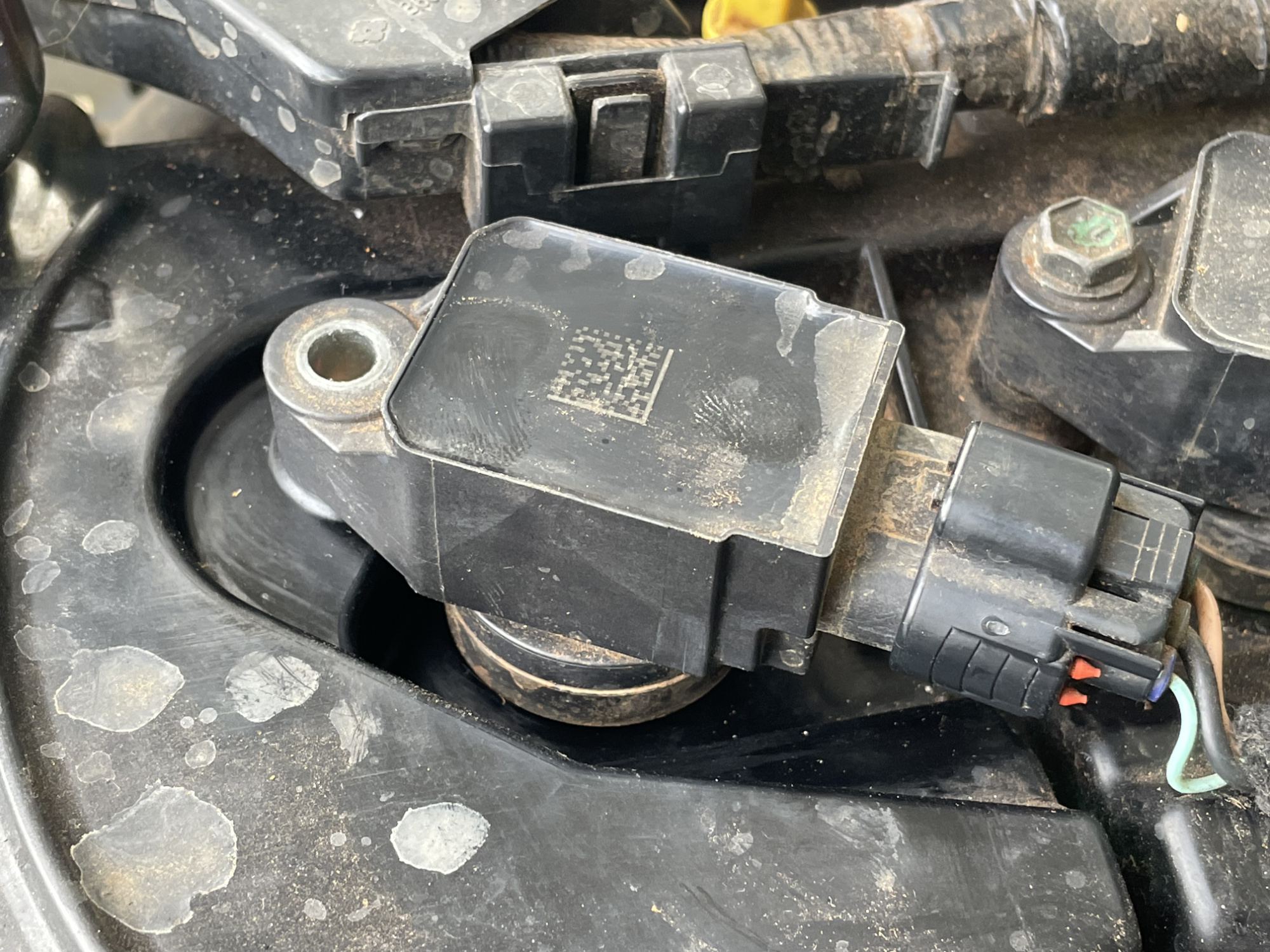
Put the coil onto the plug, push it down so it is seated and clip the wire in
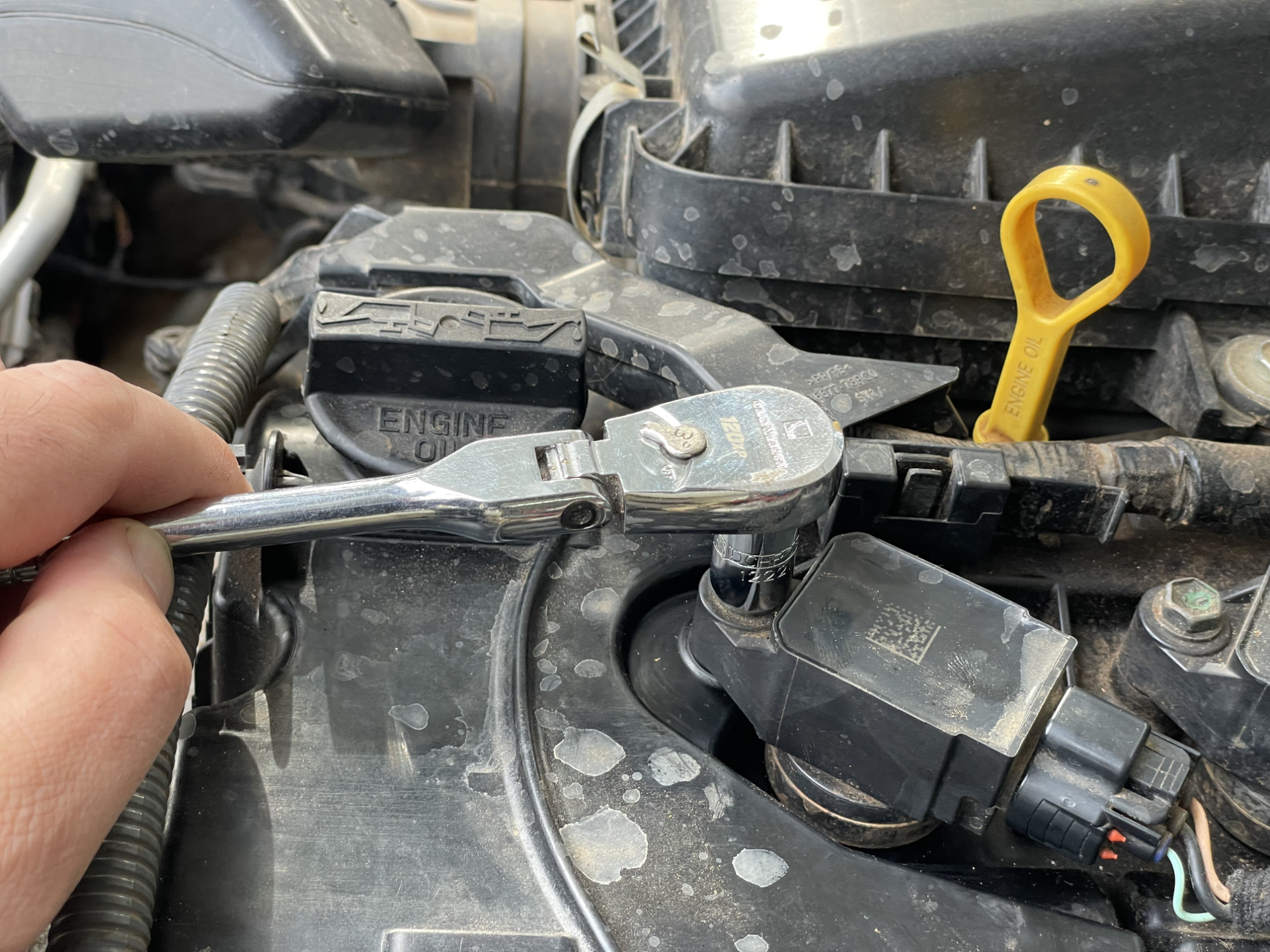
Coil bolts are torqued to 11 Nm. No, I don’t really bother getting the torque wrench out for these.
Repeat that procedure 3 more times and your spark plugs are changed.